
Pedicure in Madurai: Types, What Happens, How Often and Cracked-Heel Care
By Sathya, Page 3 Luxury Salon, KK Nagar East
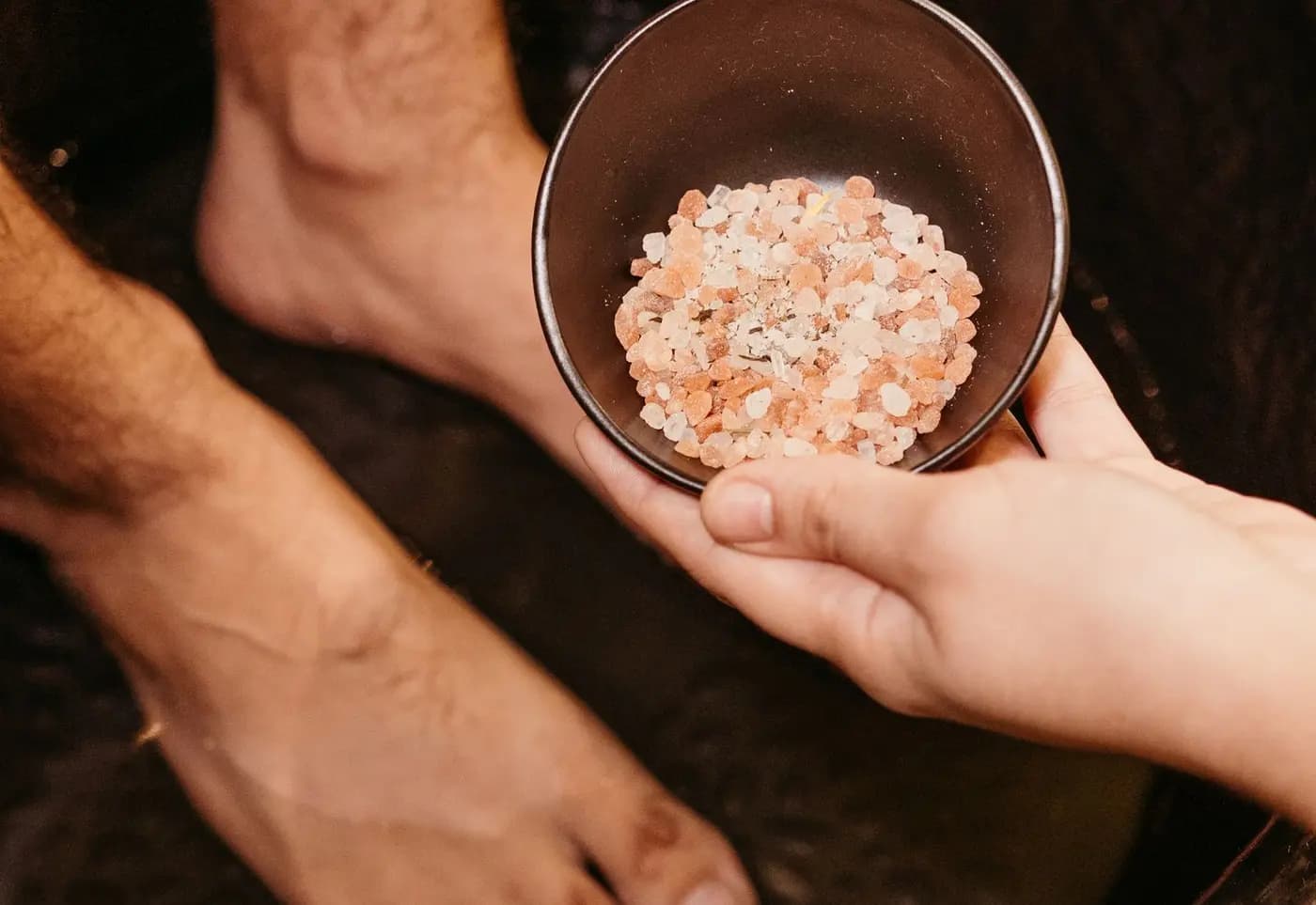
Feet take more punishment in Madurai than almost anywhere else in the body. Most of the year is spent in chappals and sandals, roads are hot and dusty, and many of us walk barefoot at temples and at home. The result is familiar: dry, cracked heels, hard skin on the sides of the feet, dull toenails and cuticles that grow ragged. A pedicure is the most direct fix — but the word covers everything from a ten-minute soak and polish to a proper hour of foot care, and the difference shows within a week. This guide from the team at Page 3 Luxury Salon in KK Nagar East explains what a good pedicure in Madurai should include, which type suits you, the hygiene to insist on, and how often to book one.
What a Pedicure Actually Does
A pedicure is cosmetic foot and toenail care: cleaning and shaping the nails, tidying the cuticles, softening and smoothing hard skin, and finishing with massage and, if you want it, polish. Done properly it does more than make your feet look nice. Regularly removing dead skin stops heels from thickening and splitting, keeping nails trimmed straight across reduces the chance of ingrown nails, and the massage loosens feet that spend all day carrying you around. It is maintenance, in the same way a haircut is — you notice it most when you have skipped it for a few months.
Your feet are probably overdue if you recognise a few of these:
- Heels feel rough or catch on bedsheets, or you can see fine cracks around the edges.
- Hard, yellowish skin has built up on the heels, the balls of the feet or the side of the big toe.
- Toenails are uneven, thick at the edges or harder to trim than they used to be.
- Cuticles are dry and overgrown, or the skin around the nails peels.
- Old polish is chipped and stained the nail underneath.
- Your feet look grey or dull even straight after a wash — usually dust and dead skin.
What Happens During a Pedicure Session
A proper salon pedicure is a sequence, and each step does a specific job:
- Check — the therapist looks at your feet before anything goes in water. Cuts, open cracks, swelling, signs of fungal infection or an ingrown nail change what is safe to do.
- Soak — feet go into warm water with a cleanser for several minutes to soften skin and loosen dirt from around the nails.
- Nail care — toenails are clipped straight across and filed, never rounded deep into the corners, which is how ingrown nails start.
- Cuticle care — cuticles are softened and gently pushed back, and only loose, dead skin is trimmed. Cutting into live cuticle invites infection.
- Exfoliation — a scrub removes dead skin across the whole foot and lower leg.
- Callus and heel work — hard skin is softened and buffed down gradually with a foot file. It should never be shaved off with a blade.
- Mask and massage — a hydrating mask or cream, followed by a foot and calf massage.
- Finish — nails are cleaned of oil and painted with regular polish or gel, or simply buffed to a natural shine.
A full pedicure usually takes around forty-five minutes to an hour, longer if you add gel polish or a deeper heel treatment. If a session is over in fifteen minutes, the soak and the heel work — the parts that actually change your feet — have almost certainly been cut short.
Types of Pedicure and Which One to Choose
Salon menus give pedicures many names, but most fall into a few groups. Ask what is actually included rather than going by the name alone.
- Classic or basic pedicure — soak, nail shaping, cuticle care, light scrub, short massage and polish. Right for feet that are already in reasonable shape and just need regular upkeep.
- Spa or luxury pedicure — everything in a classic pedicure plus a longer exfoliation, a hydrating mask, a hot towel wrap and a longer foot and calf massage. The one to book when your feet are dry, tired or have been neglected for a while.
- Gel pedicure — any pedicure finished with gel polish cured under a lamp instead of regular polish. Toenails grow slowly and gel lasts much longer on toes than on fingers, so it suits people who want colour without frequent repainting.
- Heel or callus-focused pedicure — extra time on hard skin and cracked heels, often with a stronger softening treatment. Useful at the start of a routine if your heels are badly cracked.
- Paraffin or hydrating treatments — warm wax or intensive masks that lock moisture into very dry skin, usually as an add-on to a spa pedicure.
Cracked Heels in Madurai: Why They Happen and What Helps
Cracked heels are the main reason people book a pedicure in Madurai, and the climate explains why. Open footwear lets the heel spread sideways with every step, and that pressure on dry, thickened skin is what splits it. Heat and low humidity through the hottest months pull moisture out of the skin, dust works into the cracks, and hard water can leave skin drier still. Walking barefoot — at home, at temples, on the terrace — adds friction on top of all of that.
What genuinely helps, alongside regular pedicures:
- Moisturise your heels every night with a thick cream, and wear cotton socks to bed when they are bad — it makes a visible difference within a week.
- Use a foot file on dry skin two or three times a week, gently, rather than scrubbing hard once a month.
- Rinse dust off your feet when you get home and dry them properly, including between the toes.
- Choose footwear with a back strap or a cushioned sole on days you will walk a lot.
- Drink enough water through the summer; dehydration shows up in your skin.
Deep cracks that bleed, hurt when you walk, or look red and swollen need medical attention rather than a pedicure. The same applies to thick, crumbling or discoloured toenails, which are often a fungal infection: a salon can keep them tidy, but a dermatologist needs to treat them.
Hygiene: What to Check Before You Sit Down
Pedicures involve water, broken skin and tools that are used on many people, which makes hygiene the most important thing to judge a salon on. Infections from pedicures are avoidable, and the salons that avoid them are visibly careful.
Things you are entitled to expect, and to ask about:
- Metal tools sterilised between clients, not just wiped — or brought out of a sealed pouch in front of you.
- Single-use files, buffers and pumice for each client, since these cannot be properly sterilised.
- The foot tub cleaned and disinfected after every client, with a fresh liner where one is used.
- No blades or razors used to shave hard skin. It removes too much, cuts easily and is a common cause of infection.
- Fresh towels for every client.
- A therapist who stops and advises you if they see a cut, infection or ingrown nail, rather than working around it.
Two habits help on your side too: do not shave or wax your legs for a day before a pedicure, because freshly shaved skin has tiny nicks that bacteria can get into, and reschedule if you have any open cut or blister on your feet.
Pedicures for Diabetics and Sensitive Feet
If you have diabetes, poor circulation or reduced feeling in your feet, check with your doctor before booking a pedicure, and always tell the therapist before you start. Small cuts heal slowly when circulation is reduced, and a nick you cannot feel can become a serious problem. With your doctor's go-ahead, a gentle pedicure — warm rather than hot water, no cutting of cuticles or hard skin, careful filing and plenty of moisturiser — can be part of good foot care. Any foot wound, ulcer or infection needs a doctor, not a salon.
Pedicures for Men
Men book pedicures for the same reasons women do — cracked heels, hard skin, thick nails that are difficult to trim — and often need them more, after years of ignoring their feet. A men's pedicure is the same service without polish: nails cut and shaped, cuticles tidied, calluses softened, a scrub and a proper massage. It is particularly worth it for anyone who plays sport, stands all day at work or wears closed shoes in the heat. It pairs well with a men's grooming session or a haircut in the same visit.
How Often Should You Get a Pedicure?
- Regular upkeep — every three to four weeks keeps nails and heels in good condition.
- Cracked or very dry heels — every two to three weeks for the first two or three sessions, then monthly once the skin settles.
- Gel polish on toes — every four to five weeks, when regrowth starts to show.
- Before a wedding or event — two to three days before, so any redness from heel work has settled and the polish is fresh in photos.
- After a long trip or festival season — one restorative spa pedicure to reset dry, tired feet.
Many clients book a manicure and pedicure together, which saves time and keeps hands and feet matching. If you are getting nail extensions on your hands, a gel pedicure in a matching or complementary shade is a natural pairing.
What Affects the Cost of a Pedicure in Madurai
Pedicure prices in Madurai vary from a quick neighbourhood polish to a long spa treatment, and the cheapest option is rarely the best value. Rather than quote figures that may be out of date, here is what changes the price.
- Type of pedicure — a classic pedicure costs less than a spa pedicure with a mask, wrap and longer massage.
- Finish — gel polish costs more than regular polish, and nail art on toes is usually priced separately.
- Products — professional foot creams, scrubs and masks cost more than generic ones.
- Time on heels — badly cracked heels or heavy calluses can take extra time.
- Add-ons — paraffin, hot stone, extended massage or old gel removal.
- Packages — combining a manicure and pedicure, or a pedicure with another service, is often better value.
Ask what is included before the session starts, and be wary of a price far below everyone else's. The savings usually come from skipping sterilisation, single-use files and time on the heels — exactly the parts you are paying for.
Aftercare to Make a Pedicure Last
- Wear open footwear for a couple of hours after regular polish so it can harden fully; gel is set as soon as you leave.
- Moisturise your feet and heels every night, and apply cuticle oil to your toenails a few times a week.
- Avoid very hot water, long soaks and swimming pools for a day or so.
- Rinse and dry your feet after walking in dust, and dry between the toes.
- Do not peel chipped gel; book a removal so the nail underneath stays intact.
- File heels gently once or twice a week between appointments to stop hard skin building up again.
Why Clients Choose Page 3 for a Pedicure in Madurai
Page 3 Luxury Salon & Makeover Studio is part of a 27-outlet chain across Tamil Nadu, Kerala, Andhra Pradesh, Telangana and Odisha, and our Madurai outlet in KK Nagar East is rated 4.9 from more than 300 Google reviews. Tools are sterilised between clients or single-use, with no exceptions, and every pedicure starts with a look at your feet before anything goes in water. We take our time over the parts that make a difference — the soak, the cuticles and the heels — and our therapists will tell you honestly when something needs a doctor rather than a pedicure. You can see our full range of manicures, pedicures and nail art, and our client reviews are worth a read before you book.
Book a Pedicure in KK Nagar East, Madurai
We're at Flat No P415, 9th Street, Zone 2, KK Nagar East, Madurai, open Monday to Sunday from 10:00 AM to 9:00 PM, and clients visit us from Anna Nagar, Tallakulam, Chokkikulam, Bypass Road, Villapuram and Thirunagar as well as across KK Nagar. Book an appointment, call us on +91 90 4274 4274, or get directions on Google Maps. Let us know if you would like a manicure in the same visit so we can set aside enough time.
Ready to book this service at Page 3 Luxury Salon in KK Nagar East, Madurai?
Book AppointmentFrequently Asked Questions
A proper pedicure includes a foot check, a warm soak, toenail clipping and shaping, cuticle care, exfoliation, softening and buffing of hard skin on the heels, a foot and calf massage, and a finish of regular polish, gel polish or a natural buff. A spa pedicure adds a hydrating mask, a hot towel wrap and a longer massage.
A classic pedicure covers the essentials: soak, nail and cuticle care, a light scrub, a short massage and polish. A spa pedicure adds deeper exfoliation, a hydrating mask, a hot towel wrap and a longer massage, which makes it the better choice for dry, cracked or neglected feet.
A pedicure removes hard, dead skin and softens the heel, which is the first step in healing cracks. For lasting results, combine two or three pedicures a few weeks apart with nightly moisturising and gentle filing at home. Deep cracks that bleed, hurt or look infected need a doctor rather than a salon.
Every three to four weeks for regular upkeep. If your heels are badly cracked, start with a pedicure every two to three weeks for the first few sessions, then move to monthly once the skin has settled.
Check with your doctor first and always tell the therapist before the pedicure starts. With your doctor's approval, a gentle pedicure with warm water, no cutting of cuticles or hard skin and careful filing can be part of good foot care. Any wound, ulcer or infection on the feet should be treated by a doctor.
Yes, and many of our male clients book one regularly. A men's pedicure includes nail cutting and shaping, cuticle care, callus and heel work, a scrub and a massage, usually without polish. It is especially useful for cracked heels, thick toenails and feet that are on them all day.
Around forty-five minutes to an hour for a full pedicure, longer for a spa pedicure or if you add gel polish. Booking a manicure and pedicure together takes roughly one and a half to two hours.
More From The Blog
 Hair Care
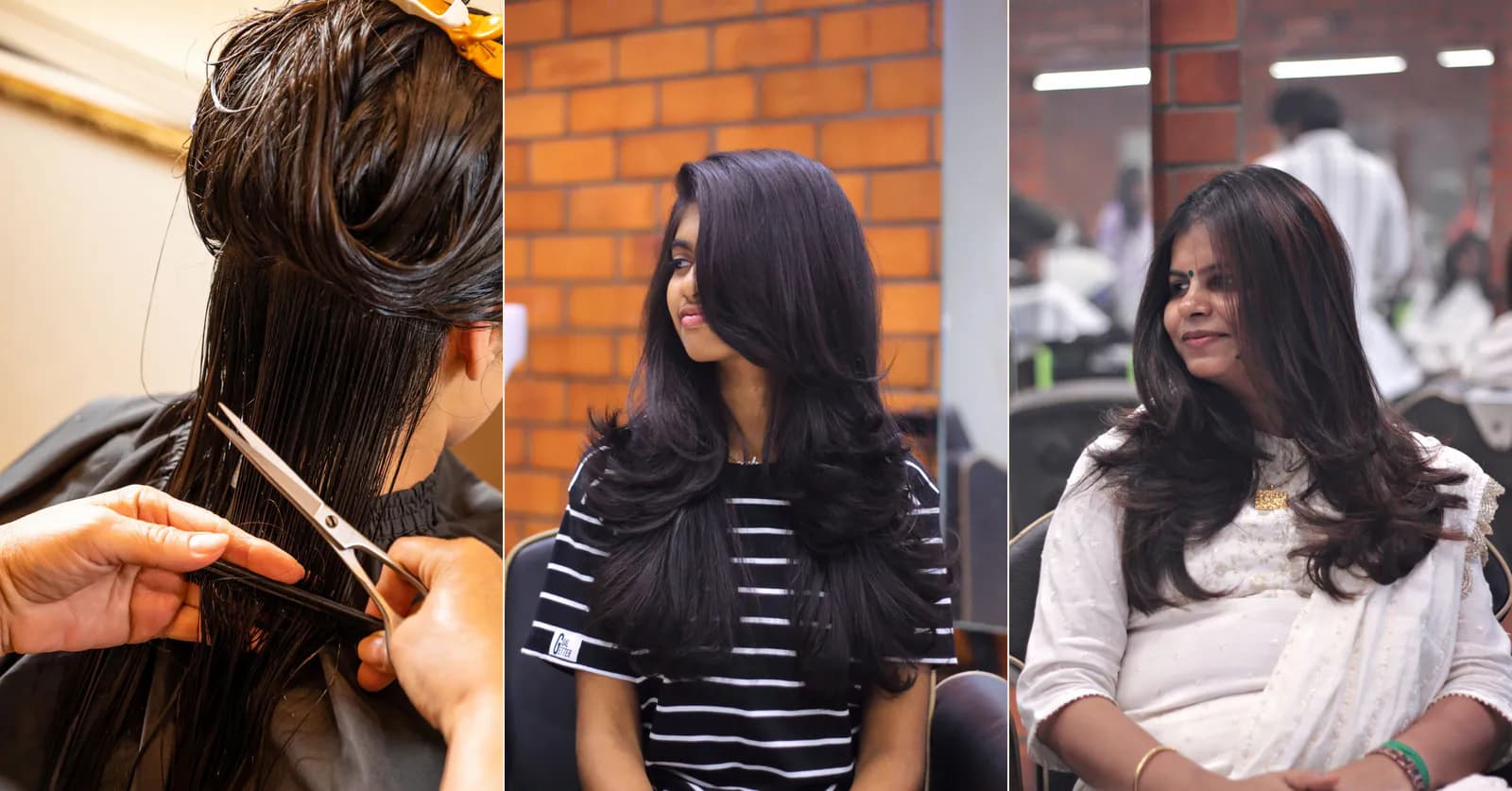
Haircut for Women in Madurai: How to Choose the Right Cut for Your Face, Hair and the Heat
Most women in Madurai want to keep their length, tie their hair up on hot days and still have a cut that looks finished. Here is how to choose a haircut for your face and hair type, what the popular cuts actually are, how often to trim, and what to tell your stylist so you leave with the cut you wanted.
Read More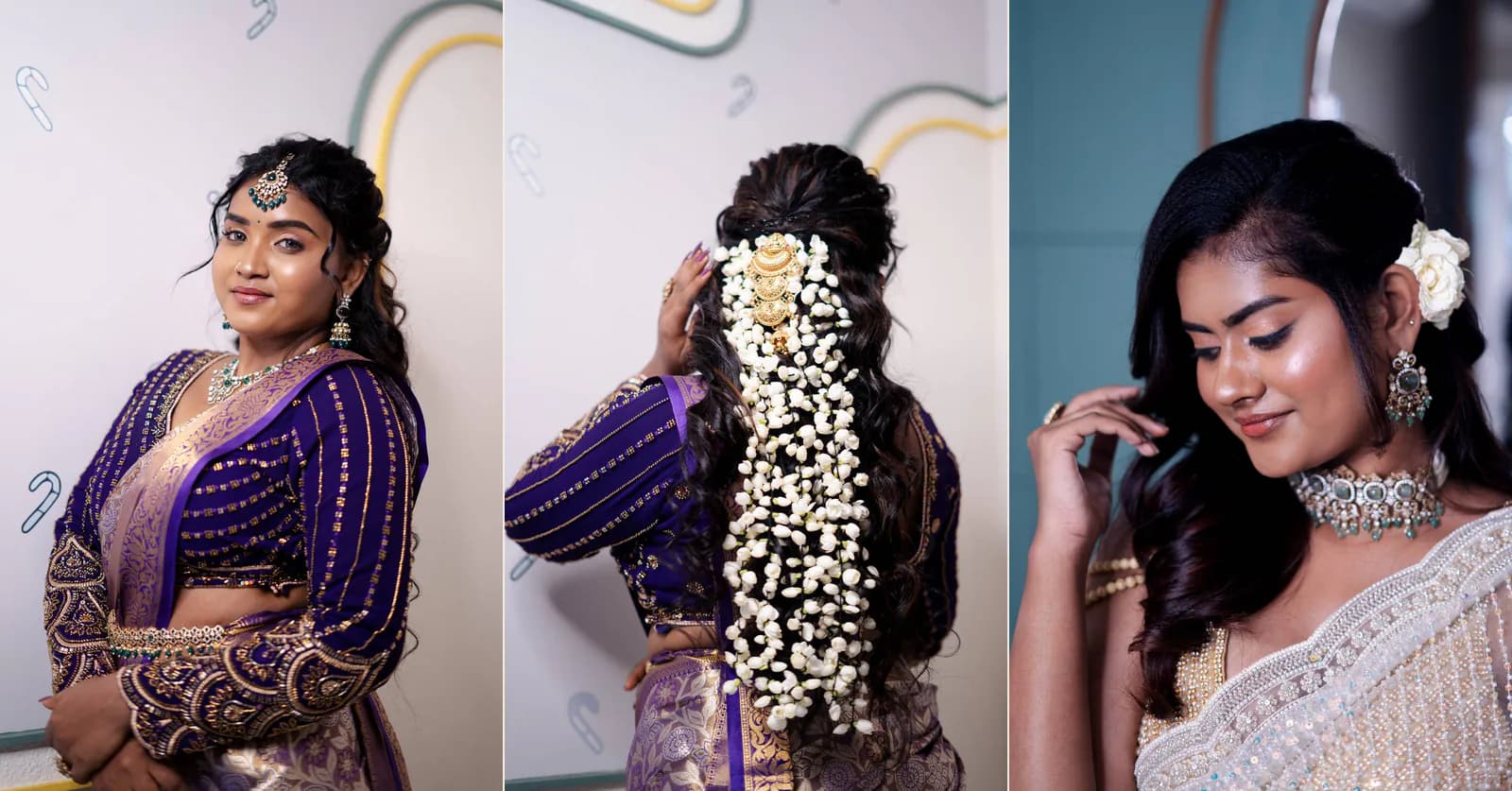 Bridal & Makeup
South Indian Bridal Hairstyles in Madurai: Jasmine, Jadai and Reception Looks
In Madurai, a bridal hairstyle is planned around jasmine. Here are the classic and modern styles our stylists create for the muhurtham and the reception, how to choose between them, what to know about flowers, extensions and jadai jewellery, and how to prepare your hair so the style lasts all day.
Read More